Pull Shot Dynamo: India's Iconic Casual Sports Game
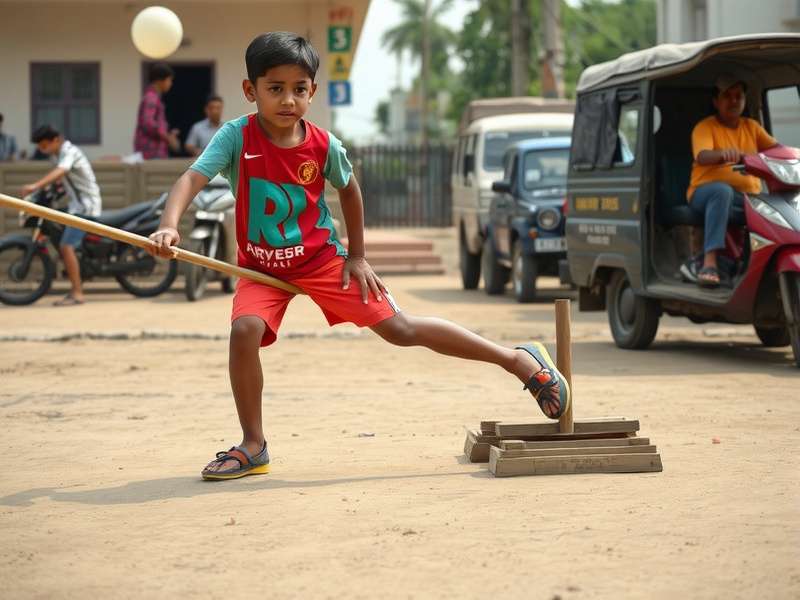
In the bustling streets of India, from the narrow lanes of Mumbai to the open fields of Punjab, Pull Shot Dynamo has emerged as more than just a game—it’s a cultural phenomenon that binds generations together. Unlike mainstream sports like cricket or kabaddi, Pull Shot Dynamo is a casual street game that requires minimal equipment, quick reflexes, and a dash of strategic thinking, making it accessible to children and adults alike across all socio-economic backgrounds in India.
The origins of Pull Shot Dynamo trace back to the 1980s, when local youth in small towns of Gujarat and Maharashtra adapted traditional stick-and-ball games to create a faster, more engaging variant. Over the decades, the game has evolved, absorbing regional influences and adapting to urban spaces—today, you’ll find Pull Shot Dynamo being played in chowks (public squares), school playgrounds, and even corporate recreational areas, a testament to its universal appeal in Indian society.
💡 Key Fact: Pull Shot Dynamo derives its name from two core elements— the "pull shot" (a signature move borrowed from cricket, adapted for the game) and "dynamo" (referring to the energy and speed that defines gameplay). In local Indian slang, it’s often shortened to "PS Dynamo" or simply "Dynamo" among regular players.
What sets Pull Shot Dynamo apart from other Indian street games is its perfect balance of simplicity and skill. A typical game requires just a wooden stick (locally called a danda), a rubber ball (or even a crumpled paper ball in pinch), and a small playing area—making it ideal for the crowded urban landscapes of Indian cities where space is at a premium. The game’s rules are easy to learn but mastering advanced moves takes years of practice, creating a hierarchy of skill that adds to its competitive charm in local communities.
Over the past decade, Pull Shot Dynamo has seen a resurgence in popularity, thanks to local tournaments organized by community groups and youth organizations across India. Cities like Ahmedabad, Pune, and Bangalore now host annual Pull Shot Dynamo championships, with teams from different neighborhoods competing for small prizes and bragging rights. This grassroots movement has not only preserved the game’s heritage but also introduced it to younger generations who might otherwise be drawn to digital games and screen time.
For many Indians, Pull Shot Dynamo is more than just a way to pass time—it’s a lesson in sportsmanship, teamwork, and resilience. In rural areas, the game is often played at festivals and village fairs, where it serves as a form of entertainment and social bonding. In urban settings, it’s a way for young people to disconnect from technology and engage in physical activity, fostering face-to-face interactions that are increasingly rare in today’s digital age.
Gameplay of Pull Shot Dynamo: Mechanics & Flow
Basic Setup & Equipment 🛠️
The setup for Pull Shot Dynamo is intentionally minimal, designed to be accessible to all. The core equipment includes:
A danda (stick): Typically 2-3 feet long, made of sturdy wood (like mango or neem) or even PVC pipes in urban areas. The ideal danda is lightweight enough to swing quickly but strong enough to hit the ball with force.
A ball: A rubber ball (tennis ball or rubber bouncy ball) is preferred, but in rural areas, players often use homemade balls made from cloth rags or even coconut shells for practice.
Playing area: A 10x15 feet space is sufficient for a casual game, though tournament play requires a marked area with specific boundaries (usually drawn with chalk or stones on the ground).
The playing area is divided into two sections: the striker’s zone (where the player with the danda stands) and the fielder’s zone (where opposing players position themselves). In informal games, these zones are marked with simple lines or stones, while formal tournaments use painted boundaries to ensure fairness.
Core Gameplay Mechanics
A standard game of Pull Shot Dynamo involves two teams (or in casual play, individual players taking turns), with each team consisting of 2-6 players—depending on the number of participants available, a common flexibility that makes the game adaptable to Indian social settings where player count can vary drastically.
The game proceeds in rounds, with each round consisting of a "striker" (the player with the danda) and "fielders" (the opposing team). The fielder tosses the ball towards the striker, who must hit it using a "pull shot" motion—swinging the danda forward and slightly downward to strike the ball with precision. The goal for the striker is to hit the ball as far as possible into the fielder’s zone, while the fielders aim to catch the ball or stop it from crossing the boundary lines.
What makes Pull Shot Dynamo unique is the scoring system, which is rooted in Indian street game traditions—points are awarded based on how far the ball travels and the difficulty of the shot. A basic hit earns 1 point, a hit that crosses the first boundary earns 3 points, and a hit that reaches the far end of the playing area (the "sixer zone," a term borrowed from cricket) earns 6 points. If the striker misses three consecutive tosses, they are "out," and the next player from their team takes their place.
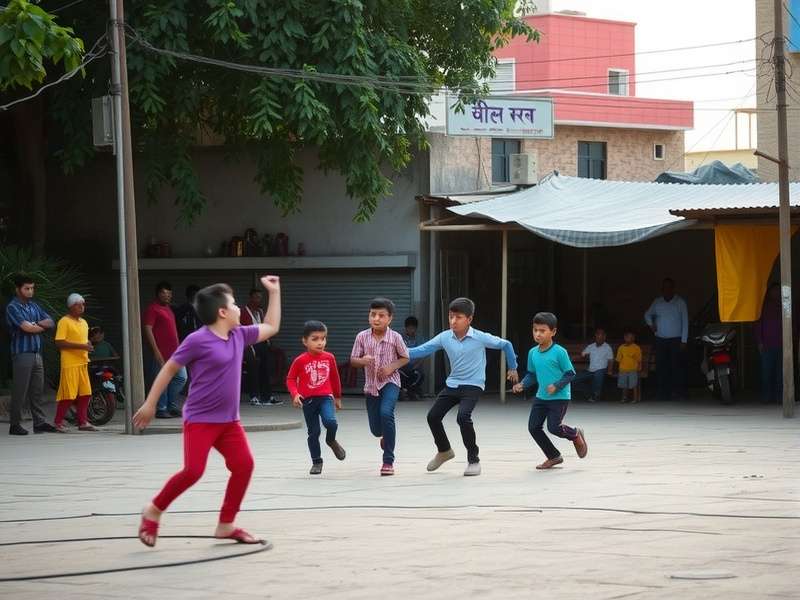
Advanced players of Pull Shot Dynamo master a range of shots beyond the basic pull shot, including the cut shot (swiping the danda sideways to redirect the ball), the lift shot (angling the danda upward to send the ball high into the air), and the defensive block (using the danda to stop the ball instead of hitting it, a strategic move to avoid getting out). These advanced techniques are often taught informally, with experienced players passing down skills to younger generations in a mentor-mentee dynamic common in Indian street sports.
A full game of Pull Shot Dynamo typically lasts until one team reaches a predetermined score (usually 50 or 100 points, depending on the agreement) or until all players on one team have been "out." In casual settings, games are often played in "best of three" rounds to accommodate more players and keep the game engaging for everyone involved.
Variations in Gameplay Across India
As Pull Shot Dynamo spread across different regions of India, local communities have added their own twists to the gameplay, reflecting regional cultures and preferences. In South India, for example, the game is often played with a shorter danda (called a kambu in Tamil Nadu) and a smaller ball, making the game faster and more reliant on quick hand-eye coordination. In North India, particularly in Uttar Pradesh and Haryana, the playing area is larger, and the game incorporates elements of kabaddi, with fielders allowed to tag strikers to get them out—adding a physical element not found in the original version.
In coastal areas like Kerala and Goa, Pull Shot Dynamo is often played on sandy beaches, with the soft surface allowing for more aggressive diving catches by fielders. In mountainous regions like Himachal Pradesh, the game is adapted to uneven terrain, with players using the natural slope of the land to their advantage when hitting the ball. These regional variations highlight the game’s flexibility and its ability to adapt to India’s diverse geographical and cultural landscape.
Rules & Regulations of Pull Shot Dynamo: Formal & Informal Norms
Official Tournament Rules 📜
While Pull Shot Dynamo is primarily a casual street game, formal tournaments organized by community groups and sports associations have established standardized rules to ensure fair play. These rules, though varying slightly by state, share core principles that align with the game’s spirit:
1. Equipment Standards: The danda must be between 24-36 inches in length and 1-2 inches in diameter, with no modifications (like adding weights) that give an unfair advantage. The ball must be a standard rubber ball (6-8 inches in circumference) to ensure consistency in gameplay.
2. Playing Area Dimensions: A tournament-sized Pull Shot Dynamo field measures 15ft (width) x 20ft (length), with a striker’s zone (3ft x 3ft) at one end and boundary lines marked 5ft, 10ft, and 15ft from the striker’s zone (corresponding to 1, 3, and 6 point zones respectively).
3. Striker Rules: The striker must stand within the striker’s zone at all times while hitting the ball. A striker is declared out if: (a) they miss three consecutive tosses, (b) the ball is caught by a fielder before it touches the ground, (c) they step outside the striker’s zone while hitting, or (d) the ball lands outside the playing area (a "fault").
4. Fielder Rules: Fielders must stay within the fielder’s zone until the ball is hit, and cannot interfere with the striker’s swing. A fielder who intentionally distracts the striker (e.g., shouting or making sudden movements) receives a warning, with a second offense resulting in a point penalty for their team.
5. Scoring: Points are awarded based on where the ball lands: 1 point for landing within 5ft of the striker’s zone, 3 points for 5-10ft, 6 points for 10-15ft, and 10 points (a "super dynamo") for landing beyond 15ft (a rare achievement that is highly celebrated in tournaments).
6. Match Duration: A tournament match consists of two innings, with each team getting 10 strikes per inning. The team with the highest total score after both innings wins. In case of a tie, a "sudden death" round is played, with each team getting 3 additional strikes to break the tie.
Informal Street Game Rules
In casual settings, Pull Shot Dynamo rules are far more flexible, with players often making on-the-spot adjustments to accommodate the number of participants, available space, and equipment. These unwritten rules reflect the game’s grassroots nature and are a testament to its adaptability in Indian society:
- Equipment Flexibility: If a proper danda is unavailable, players use broomsticks, cricket stumps, or even plastic pipes. The ball can be a tennis ball, rubber ball, crumpled paper, or even a stone (though stone play is discouraged for safety).
- Space Adaptation: In narrow lanes, the playing area is adjusted to fit the available space—boundary lines may be marked with shoes, stones, or chalk, and points are awarded based on relative distance rather than fixed measurements.
- Out Rules: Informal games often have creative "out" conditions, like being out if the ball hits a wall, a passing pedestrian, or even a stray dog (a common occurrence in Indian streets!). Players also frequently agree to "no three-out rule," allowing strikers to continue playing until they hit a fault or are caught out.
- Team Dynamics: In casual play, teams are often formed randomly (e.g., "boys vs. girls" or "young vs. old") to ensure everyone gets a chance to play. Substitutions are allowed at any time, and players often rotate roles (striker/fielder) to keep the game inclusive.
⚠️ Safety Norms: While Pull Shot Dynamo is a low-risk game, players (especially children) are advised to avoid playing near busy roads or hard surfaces to prevent injuries from falling or being hit by the ball. In most Indian neighborhoods, elders often enforce basic safety rules to protect younger players, a reflection of the community-centric nature of the game.
Dispute Resolution in Pull Shot Dynamo
A unique aspect of Pull Shot Dynamo (and many Indian street games) is the informal dispute resolution system that relies on mutual respect and community consensus rather than formal referees. In case of a disagreement (e.g., whether a ball crossed the boundary or a striker stepped out), the following norms apply:
- The oldest player present acts as the "umpire" (locally called mahajan), whose decision is final. - If no elder is present, the players vote on the dispute, with a simple majority deciding the outcome. - Disputes are resolved quickly to keep the game moving—arguing for extended periods is considered bad sportsmanship, a value instilled in players from a young age.
This informal dispute resolution not only keeps the game fun but also teaches players important life skills like negotiation, compromise, and respect for others’ opinions—values that are central to Indian community life.
Regional Variations of Pull Shot Dynamo Across India
Western India: The Birthplace of Pull Shot Dynamo 🎯
As the birthplace of Pull Shot Dynamo, Western India (Gujarat, Maharashtra, Goa) has preserved the game’s original form while adding regional flavors that reflect local culture. In Gujarat, Pull Shot Dynamo is often played during festivals like Uttarayan (Kite Festival) and Navratri, with village-level tournaments drawing large crowds. The Gujarati variant, known as Dynamo Danda, uses a slightly longer danda (36 inches) and incorporates traditional folk music played in the background, adding a festive element to gameplay.
In Maharashtra, especially in Mumbai and Pune, Pull Shot Dynamo is adapted to urban spaces—players use small open areas in chawls (apartment complexes) and mark boundaries with chalk on concrete. The Mumbai variant, called Chawl Dynamo, is faster-paced, with shorter rounds (5 strikes per player) to accommodate more participants in limited time. Goa’s coastal variant, played on beaches, uses a waterproof rubber ball and allows fielders to dive into the sand to catch the ball, adding an element of adventure to the game.
Northern India: Physical & Competitive Twist 💪
In Northern India (Punjab, Haryana, Uttar Pradesh, Delhi), Pull Shot Dynamo has evolved to be more physical and competitive, reflecting the region’s love for contact sports like kabaddi and kushti (wrestling). The Punjabi variant, Power Dynamo, allows fielders to tag strikers to get them out—if a fielder tags the striker before they can return to the striker’s zone after hitting the ball, the striker is out. This addition makes the game more dynamic and physically demanding, appealing to the region’s youth.
In Haryana, Pull Shot Dynamo is often played as part of rural sports meets (locally called khel melas), with prizes like bicycles, mobile phones, or sacks of grain for winning teams. The Haryanvi variant uses a heavier wooden danda, requiring more strength to hit the ball—players often train with weights to build arm strength, turning the game into a test of physical prowess as much as skill.
In Delhi, Pull Shot Dynamo is popular in slum areas and resettlement colonies, where it serves as a positive outlet for youth. Local NGOs have even used the game as a tool for social development, organizing tournaments to promote teamwork and discourage substance abuse among young people. The Delhi variant is played with mixed-gender teams, a progressive twist that challenges traditional gender norms in some parts of India.
Southern India: Precision & Technique 🎯
Southern India (Tamil Nadu, Karnataka, Kerala, Andhra Pradesh) has embraced Pull Shot Dynamo with a focus on precision and technical skill rather than physicality. In Tamil Nadu, the game is known as Kambu Dynamo (kambu = stick), with players using a shorter, thicker danda that requires precise hand movements to hit the ball accurately. Tournaments in Chennai and Coimbatore often feature "skill rounds," where players are judged on the accuracy of their shots rather than just distance—adding a competitive element that appeals to the region’s emphasis on technical proficiency.
In Kerala, Pull Shot Dynamo is played during Onam and Vishu festivals, with teams representing different villages competing in elaborate tournaments that last for days. The Kerala variant uses a coconut shell ball (called thenga ball) for practice sessions, which is harder to hit than a rubber ball, helping players build better hand-eye coordination. In Karnataka, the game is popular in Bangalore’s IT parks, where young professionals play during lunch breaks as a way to de-stress—corporate teams even organize inter-office Pull Shot Dynamo leagues, blending work and play in true Indian style.
Andhra Pradesh and Telangana have added a unique twist to Pull Shot Dynamo by incorporating Telugu folk songs into gameplay—players often chant traditional verses while hitting the ball, turning the game into a cultural performance as much as a sport. This fusion of sport and culture is a hallmark of South Indian adaptations of the game, making it a celebration of local heritage.
Eastern & North-Eastern India: Community-Centric Play 🤝
In Eastern India (West Bengal, Odisha, Bihar) and North-Eastern India (Assam, Meghalaya, Manipur), Pull Shot Dynamo is played in a highly community-centric manner, with entire villages participating in games during harvest festivals and cultural events. In West Bengal, the game is known as Danda Balla (stick ball), and is played with teams representing different para (neighborhoods), with matches often accompanied by local sweets and tea for participants and spectators alike.
In Odisha, Pull Shot Dynamo is played during Rath Yatra festivals, with children from different temple towns competing in games organized by temple authorities. The Odia variant uses a bamboo danda, which is lighter than wooden ones, making it easier for younger players to handle. In Assam, the game is adapted to the region’s lush green fields, with playing areas marked by bamboo poles and players often using the natural vegetation to their advantage (e.g., hitting the ball over bushes to make it harder for fielders to catch).
The North-Eastern variant of Pull Shot Dynamo is unique in its emphasis on teamwork—teams consist of 8-10 players (more than other regions), and no player is declared out individually; instead, the team loses a point if a striker misses three times. This collective approach reflects the strong community bonds in North-Eastern Indian culture, where group success is valued over individual achievement.
Community & Cultural Significance of Pull Shot Dynamo
Social Bonding & Community Building 🤗
In India, where community is at the heart of social life, Pull Shot Dynamo serves as a powerful tool for bonding across age, gender, and class lines. In rural areas, the game brings together farmers, laborers, and students during leisure hours, breaking down social hierarchies and fostering a sense of unity. In urban slums, it provides a safe and positive activity for children, keeping them away from negative influences like drugs and crime.
A common sight in Indian neighborhoods is groups of children, teenagers, and even elderly men playing Pull Shot Dynamo together—elders often share stories of playing the game in their youth, passing down not just skills but also local history and values. This intergenerational interaction is rare in modern urban life, making Pull Shot Dynamo a vital link between India’s past and present.
For migrant workers in Indian cities (a large and often marginalized group), Pull Shot Dynamo is a way to connect with their hometowns and fellow migrants. Workers from the same village or state often form Pull Shot Dynamo teams, playing in construction site compounds or empty lots after work—these games serve as a reminder of home and a source of comfort in unfamiliar surroundings.
Role in Indian Festivals & Celebrations 🎉
Pull Shot Dynamo has become an integral part of many Indian festivals and cultural events, reflecting its deep integration into the country’s social fabric. During harvest festivals like Pongal (Tamil Nadu), Baisakhi (Punjab), and Makar Sankranti (Gujarat), Pull Shot Dynamo tournaments are a highlight of celebrations, with entire communities turning out to watch and participate.
In Maharashtra, during Ganesh Chaturthi, Pull Shot Dynamo games are organized as part of the festival’s community activities, with proceeds from small entry fees going towards Ganesh idol installations and charity. In Kerala, Onam celebrations often feature Pull Shot Dynamo matches between teams from different tharavads (joint families), with the winning team receiving a sadya (traditional feast) prepared by the local community.
Even in religious festivals like Durga Puja (West Bengal) and Navratri (Gujarat), Pull Shot Dynamo is played as a way to keep young people engaged and active during the long festival days. In some parts of India, it’s believed that playing Pull Shot Dynamo during festivals brings good luck and prosperity to the community—a belief that adds a spiritual dimension to the game beyond its recreational value.
Grassroots Sports Development 🏆
While Pull Shot Dynamo is not yet recognized as a formal sport by the Sports Authority of India (SAI), grassroots organizations are working to promote the game as a way to develop sportsmanship and physical fitness among Indian youth. Many NGOs and community groups use Pull Shot Dynamo to introduce children to sports, especially in rural and semi-urban areas where access to formal sports infrastructure (like cricket pitches or football fields) is limited.
The game’s low cost and minimal equipment requirements make it an ideal tool for sports development in underprivileged areas—organizations like the Indian Street Games Foundation (ISGF) have trained local coaches to teach Pull Shot Dynamo to children, combining gameplay with lessons on health, hygiene, and education. These programs have been successful in increasing school attendance and reducing dropout rates in some districts, as children are motivated to attend school to participate in after-school Pull Shot Dynamo sessions.
In recent years, there have been calls to recognize Pull Shot Dynamo as a "traditional Indian sport" and include it in state-level rural sports meets. Proponents argue that the game’s cultural significance and accessibility make it a perfect fit for India’s diverse sporting landscape, which has long been dominated by cricket. While formal recognition is still pending, the growing popularity of Pull Shot Dynamo tournaments across the country suggests that it may soon gain the mainstream acceptance it deserves.
Gender Inclusivity in Pull Shot Dynamo 👧👦
Historically, many Indian street games have been male-dominated, but Pull Shot Dynamo has emerged as a game that is increasingly inclusive of girls and women—especially in urban areas. In cities like Bangalore, Mumbai, and Delhi, girls’ Pull Shot Dynamo teams are becoming common, with schools and colleges organizing inter-gender tournaments to promote gender equality in sports.
In rural areas, progress has been slower, but change is underway. NGOs working in women’s empowerment have used Pull Shot Dynamo as a way to challenge gender norms, organizing all-women tournaments that attract participants from neighboring villages. These tournaments not only provide a platform for women to showcase their skills but also challenge the stereotype that women are not interested in or capable of playing sports.
A notable example is the annual Mahila Dynamo Cup (Women’s Dynamo Cup) held in Ahmedabad, Gujarat, which has been running for over a decade and now attracts teams from across Western India. The tournament has become a symbol of women’s empowerment in the region, with many participants going on to become coaches and mentors for younger girls interested in the game.
Mastering Pull Shot Dynamo: Tips & Tricks from Indian Experts
Basic Skills for Beginners 🎓
For those new to Pull Shot Dynamo, mastering the basics is key to enjoying the game and improving quickly. Here are essential tips from experienced players across India:
1. Grip the Danda Correctly: Hold the danda with your dominant hand at the bottom (1-2 inches from the end) and your non-dominant hand 6-8 inches above it—this grip provides balance and control, allowing you to swing the danda smoothly. Avoid gripping too tightly, as this will restrict your movement and reduce the power of your shot.
2. Focus on Timing, Not Power: Beginners often try to hit the ball as hard as possible, but the key to a good Pull Shot Dynamo hit is timing. Watch the ball closely as it’s tossed to you, and swing the danda only when the ball is at chest height—this is the sweet spot for a clean hit. Practice with a friend tossing the ball slowly to build your timing before moving to faster tosses.
3. Stand Steady in the Striker’s Zone: Keep your feet shoulder-width apart and your knees slightly bent to maintain balance. Avoid leaning forward or backward, as this will throw off your swing and increase the chance of missing the ball.
4. Start with Short Shots: Don’t aim for the 6-point zone right away—focus on hitting the ball consistently into the 1-point zone first. Once you can hit 8 out of 10 tosses accurately, gradually aim for longer shots. Consistency is more important than distance for beginners.
5. Learn from Others: In Indian street games, learning by observation is key—watch experienced players in your neighborhood and ask them for feedback on your swing. Most players are happy to share tips and tricks, as passing down skills is part of the game’s culture.
Advanced Techniques for Experienced Players 🚀
Once you’ve mastered the basics, these advanced techniques will help you take your Pull Shot Dynamo skills to the next level, as taught by tournament champions across India:
1. The Reverse Pull Shot: This advanced move involves swinging the danda backward before hitting the ball, creating extra momentum for a longer shot. To execute it, pull the danda back slightly as the ball is tossed, then swing forward quickly—this technique is used by top players to hit the 6-point and super dynamo zones consistently.
2. Angle Control for Precision: To hit the ball to a specific spot (e.g., between two fielders), adjust the angle of the danda just before impact. Tilting the danda slightly to the left or right will redirect the ball, allowing you to avoid fielders and score points even when the playing area is crowded.
3. Defensive Blocking: When you’re at risk of getting out (e.g., two missed tosses), use the defensive block to stay in the game. Instead of swinging to hit the ball, position the danda to block it, directing it to the ground within the 1-point zone—this will keep you from getting out and give you another chance to hit a longer shot.
4. Reading the Fielder’s Position: Watch where fielders are standing before the ball is tossed, and aim your shot to the empty spaces. Experienced players can predict where fielders will move and hit the ball to the opposite side, maximizing their scoring chances.
5. Physical Conditioning: While Pull Shot Dynamo is not as physically demanding as cricket or football, building arm and core strength will improve your swing power and endurance. Many tournament players do simple exercises like push-ups, dumbbell curls, and planks to build the strength needed for long games.
Mental Strategies for Competitive Play 🧠
In tournament play, mental toughness is just as important as physical skill. Here are mental strategies used by top Pull Shot Dynamo players in India:
1. Stay Calm Under Pressure: When the game is tied or you’re at risk of getting out, take a deep breath and focus on the current toss—don’t think about the score or the previous shots. Experienced players often close their eyes for a second before each swing to clear their mind and stay present.
2. Adapt to the Playing Conditions: Adjust your gameplay to the environment—if the ground is slippery (common in monsoon season), take shorter shots to avoid losing balance. If the wind is strong, aim slightly to the opposite side to compensate for wind resistance.
3. Psych Out the Fielders: Use subtle movements (like shifting your feet or looking at a different spot) to make fielders think you’re going to hit the ball in one direction, then hit it to the opposite side. This psychological trick is widely used in competitive Pull Shot Dynamo and can give you an edge over inexperienced teams.
4. Team Coordination: In team play, communicate with your teammates—let them know where you plan to hit the ball so they can position themselves to defend if you’re out. A cohesive team that communicates well will always outperform a group of individual players, no matter how skilled they are.
The Future of Pull Shot Dynamo in Modern India
As India rapidly urbanizes and digital entertainment becomes more prevalent, the future of traditional street games like Pull Shot Dynamo is a topic of concern for many cultural enthusiasts. However, the game’s adaptability and strong community roots suggest that it will continue to thrive, albeit in new forms that blend tradition with modernity.
One emerging trend is the digitization of Pull Shot Dynamo—mobile game developers in India have created digital versions of the game that mimic the street gameplay, allowing players to compete online with others across the country. These digital versions retain the core mechanics of the physical game while adding features like leaderboards, virtual tournaments, and in-game rewards, appealing to younger players who are more comfortable with digital platforms.
Another positive development is the inclusion of Pull Shot Dynamo in school curricula in some Indian states (like Gujarat and Maharashtra), where it is taught as part of physical education classes. This formal recognition in schools ensures that younger generations learn the game and its cultural significance, preserving it for future years.
Corporate sponsorship is also boosting the game’s visibility—local businesses in small towns and cities are sponsoring Pull Shot Dynamo tournaments, providing prizes and equipment to players. This not only increases participation but also gives the game a more professional image, attracting new players and spectators.
Despite these modern adaptations, the heart of Pull Shot Dynamo remains in India’s streets and neighborhoods, where it continues to be played with the same passion and camaraderie that defined it decades ago. For many Indians, Pull Shot Dynamo is more than a game—it’s a reminder of simpler times, a connection to their community, and a symbol of the resilience and adaptability of Indian culture.
As one veteran player from Ahmedabad put it: "Pull Shot Dynamo is not just about hitting a ball with a stick. It’s about the laughter, the arguments, the shared joy of playing together—these are the things that make India what it is. No matter how much technology changes, we’ll always have space for Dynamo in our hearts and our streets."
Recommended by Daman Games 🎮
Daman Games is proud to support Pull Shot Dynamo as part of India’s rich cultural heritage of street games. We recognize the game’s ability to bring communities together and promote physical activity among youth. Through our platform, we aim to preserve and promote traditional Indian games like Pull Shot Dynamo, ensuring they continue to thrive in the digital age. Join the Daman Games community to discover more about Pull Shot Dynamo tournaments, tips, and cultural insights from across India.